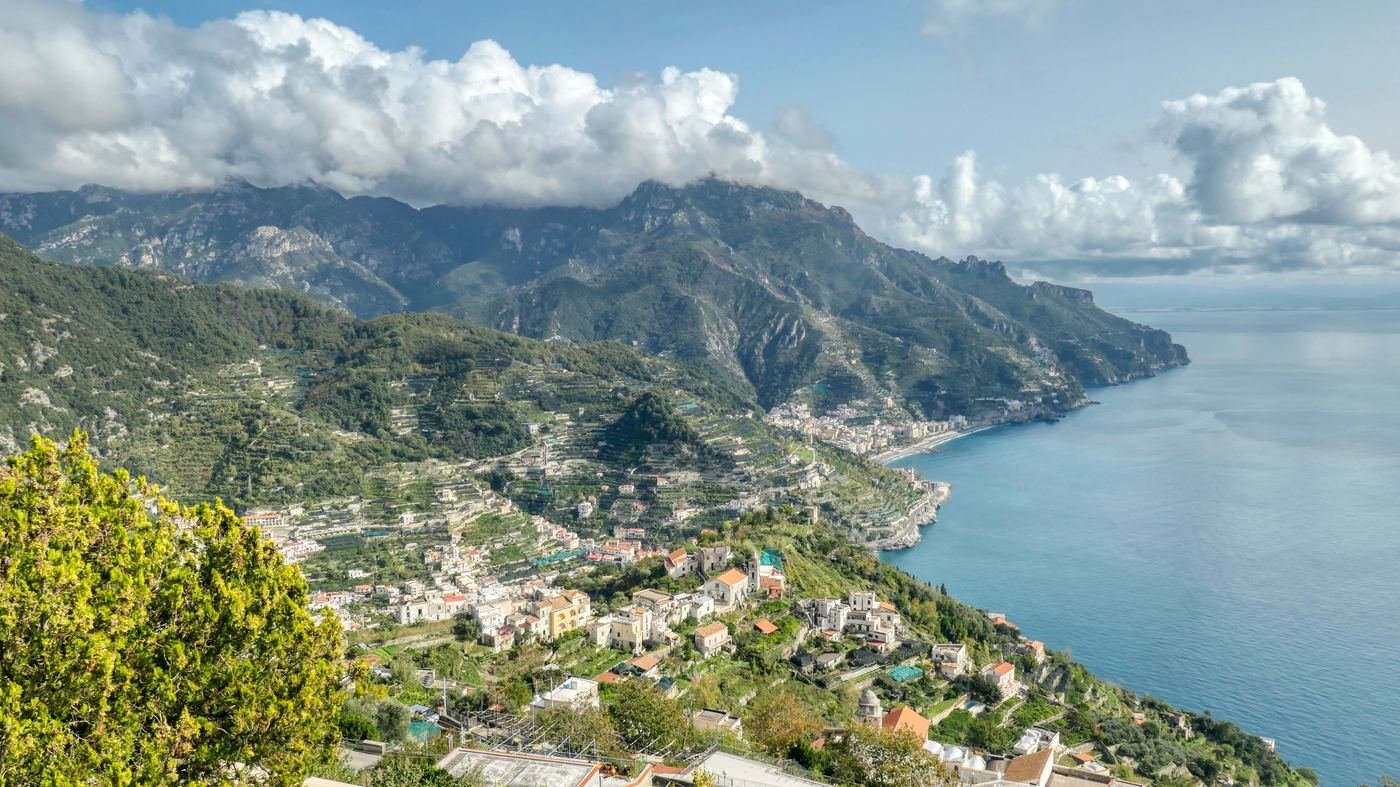
Hallstatt
A lakeside village beneath the Dachstein, and Austria's most photographed view.

Imperial cities and lakeside Alpine villages
1 / 6Hallstatt VillageAustria was the centre of an empire for six hundred years, and Vienna still looks and behaves like a capital several sizes larger than the country around it — opera houses, palaces, and coffee houses where sitting all afternoon over one cup is the accepted custom.
An hour or two out of the city, that formality gives way to the Salzkammergut: lakes, mountains and villages like Hallstatt. Combining the two is what makes Austria such a satisfying week.
A lakeside village beneath the Dachstein, and Austria's most photographed view.
One of the world's great opera houses, in the city of Mozart and Mahler.
1,441 rooms of Habsburg summer residence, with formal gardens behind.
One of Europe's largest intact medieval castles, above Salzburg.
2,657 gilded copper tiles over a late-Gothic balcony in the old town.
A Baroque Benedictine abbey above the Danube in the Wachau Valley.
Austria divides between the imperial cities — Vienna above all, with Salzburg and Innsbruck — and the Alps, which occupy most of the west of the country. A first visit usually takes in Vienna and Salzburg with the Wachau or the Salzkammergut lakes in between.
Vienna deserves more time than people give it. The Habsburg palaces, the museum quarter and the coffee-house tradition are not a half-day of sightseeing, and the classical music calendar runs all year rather than only in summer.
Our itineraries are still being finalised. These are the experiences we are building each Austria departure around — tell us which matter most to you and it will shape what we release first.
Yes. Austria is a Schengen state, so a Schengen visa arranged in advance is required for Indian passport holders, along with travel insurance of at least EUR 30,000 in medical cover. See our visa guide, and confirm current requirements with the official Austrian mission before booking.
Three to four at minimum. Schönbrunn and the Hofburg each take the better part of a day, the museum quarter needs another, and the coffee houses and concert calendar are worth leaving evenings free for. Two days covers the headlines and misses the point of the city.
Very. It is generally less expensive than Switzerland, the rail network reaches the mountain valleys directly, and towns like Hallstatt and the Salzkammergut lakes give you alpine scenery without needing cable cars or serious walking.